At Emergi-Safe Ltd, we strongly believe that ongoing education, continuous improvement, and keeping pace with changing legislation are essential parts of delivering professional fire safety services to our clients. Fire safety standards are constantly evolving, and as an industry, we have a responsibility to ensure our knowledge remains current, accurate, and fully aligned with modern regulations and best practice.
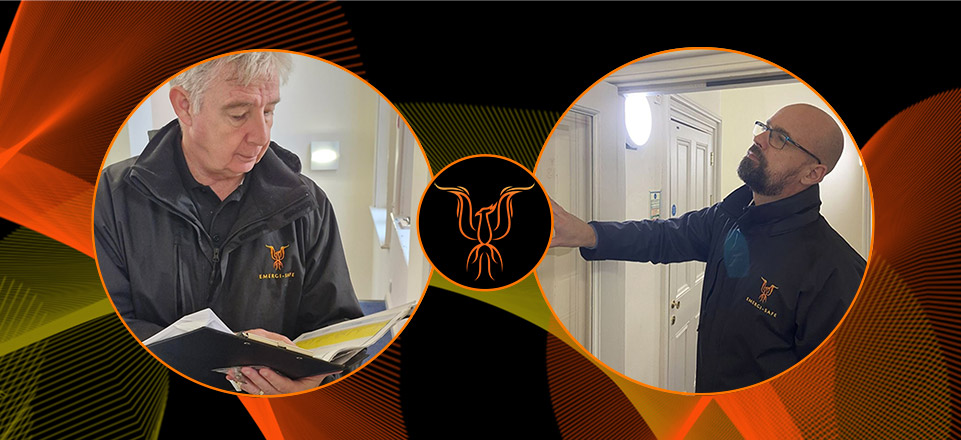
As part of our ongoing commitment to professional development within our team, I recently enrolled on the Fire Protection Association (FPA) Level 3 Fire Door Inspection Course. Following successful completion of the programme, I have received certification from the FPA recognising me as an Approved Fire Door Inspector.
Although I have been carrying out fire door inspections for many years and have held approved inspector status for some time, I firmly believe that professional competence should never stand still. Refresher training and continued education are incredibly important within the fire safety industry, particularly as standards, legislation, construction methods, and compliance expectations continue to evolve.
Why Fire Door Knowledge Is So Important
Fire doors remain one of the most critical life safety components within any building. When correctly specified, installed, maintained, and inspected, a fire door can significantly slow the spread of fire and smoke throughout a premises. This not only helps protect property and limit damage but, more importantly, provides vital time for occupants to safely evacuate and for emergency services to respond.
Unfortunately, fire doors are often misunderstood or overlooked.
In many buildings, fire doors may appear visually acceptable at first glance whilst still failing to meet compliance requirements or certification standards. Small defects that may seem insignificant can have a major impact on the performance of the doorset in the event of a fire.
Common issues identified during inspections include:
- Excessive gaps around the door leaf
- Incorrect or damaged seals
- Non-compliant ironmongery
- Poor installation practices
- Damaged hinges or self-closing devices
- Inappropriate alterations to certified doorsets
- Glazing defects
- Incompatible replacement components
- Lack of maintenance records
- Doors failing to fully self-close
- Incorrect signage or missing certification labels
Any one of these defects can compromise the integrity of the fire compartmentation strategy within a building.
This is why competent inspection is so important.
Understanding how fire doors are designed, tested, certified, installed, and maintained requires detailed technical knowledge. A compliant fire door is not simply a timber door with a closer fitted to it, it is a complete engineered fire doorset, with every component tested and designed to work together under fire conditions.
Understanding Existing Fire Door Sets
One of the most important aspects of fire door inspection is understanding existing doorsets already installed within buildings.
Across the UK, many properties contain older fire doors that may have been installed decades ago under previous standards or guidance. In some cases, original certification information may no longer be available, and buildings may have undergone multiple refurbishments or alterations over the years.
This creates significant challenges when assessing compliance.
A competent inspector must be able to evaluate:
- The condition of the existing doorset
- Whether the door remains fit for purpose
- Compatibility of installed hardware
- Evidence of previous modifications
- Integrity of glazing systems
- Frame condition and installation quality
- Suitability of intumescent and smoke seals
- Operational performance of self-closing devices
- Whether remedial works are possible or replacement is required
There is also increasing emphasis within the industry on the importance of traceability and certification. Modern regulations and best practice guidance now place far greater focus on documented evidence that fire doors have been correctly manufactured, installed, and maintained.
As buildings age, maintaining compliant compartmentation becomes increasingly important, particularly within:
- Residential apartment blocks
- Care homes
- Schools
- Hospitals
- Commercial premises
- Hotels
- Industrial buildings
- High-rise residential developments
The tragic lessons learned from previous fire incidents across the UK have reinforced the need for rigorous inspection and maintenance procedures surrounding passive fire protection systems, especially fire doors.
The Importance of Competence in Fire Door Inspection
The fire safety industry has seen substantial change in recent years, particularly following the introduction of the Building Safety Act and increased scrutiny surrounding building compliance.
There is now far greater accountability on responsible persons, building owners, contractors, and fire safety professionals to demonstrate competence.
For inspectors specifically, competence involves far more than carrying out visual checks. A competent fire door inspector requires a detailed understanding of:
- Fire testing standards
- Product certification
- Building regulations
- Installation tolerances
- Smoke control principles
- Compartmentation strategies
- Timber and composite door construction
- Ironmongery compatibility
- Regulatory documentation
- Current British Standards
Courses such as the FPA Level 3 programme help ensure inspectors remain aligned with current industry expectations and best practice methodologies.
Refresher training is equally important because regulations continue to change, and new guidance is regularly introduced across the fire safety sector.
Major Changes Within BS 8214:2026
One of the key reasons for continuing professional development is the introduction of updated standards such as BS 8214:2026.
The updated standard places greater emphasis on competency, traceability, inspection procedures, installation quality, and ongoing maintenance requirements for timber-based fire door assemblies.
Some of the significant themes and developments within the updated standard include:
Increased Focus on Competence
BS 8214:2026 places stronger emphasis on the competence of individuals involved in the specification, installation, inspection, and maintenance of fire doors.
There is greater expectation that personnel can demonstrate suitable qualifications, training, knowledge, and experience relevant to their role.
This reflects the wider direction of the fire safety industry following recent legislative changes across the UK construction and building safety sectors.

Greater Emphasis on Documentation and Traceability
The updated standard reinforces the importance of maintaining clear records relating to:
- Certification
- Product data
- Installation details
- Inspection records
- Maintenance activities
- Alterations and remedial works
Traceability is becoming increasingly important throughout the lifecycle of a fire doorset.
More Detailed Inspection Guidance
BS 8214:2026 introduces clearer guidance surrounding inspection frequencies, defect identification, tolerances, and assessment procedures.
Inspectors are expected to adopt a more systematic and evidence-based approach when assessing doorsets.
There is also stronger recognition of the importance of photographic evidence and documented reporting procedures.
Clarification Around Maintenance Responsibilities
The revised standard further clarifies the ongoing responsibilities associated with maintaining fire doors throughout their service life.
This includes ensuring that replacement components remain compatible with the original certification and that repairs do not compromise fire performance.
Improved Guidance on Installation Quality
The updated guidance places greater scrutiny on installation workmanship and the importance of following manufacturer instructions and tested installation methods.
Poor installation remains one of the leading causes of fire door failure during inspections, even where certified products have been used.
Increased Attention to Smoke Control
Modern fire safety design places growing emphasis on smoke containment in addition to fire resistance.
BS 8214:2026 further reinforces the importance of smoke seals, correct gap tolerances, and door operation to help limit the spread of smoke during the early stages of a fire.
Commitment to Best Practice
At Emergi-Safe Ltd, we are committed to maintaining the highest professional standards across all of our fire safety services.
Continued education and refresher training are essential parts of that commitment.
Fire safety legislation and standards will continue to evolve, and it is our responsibility as professionals to evolve alongside them. By investing in ongoing training and competency development, we ensure that our clients receive informed, compliant, and professional advice based on current industry standards and best practice.
Whether carrying out inspections on existing buildings, advising on remedial works, or supporting clients with fire door compliance strategies, maintaining up-to-date technical knowledge remains at the heart of what we do.
Achieving renewed certification through the FPA Level 3 Fire Door Inspection Course is another important step in reinforcing that commitment to quality, competence, and continual professional development.